A new listings site with eleven ads looks broken. Shoppers arrive for one category, see almost nothing, and leave without clicking twice. Sellers who wander in see the same emptiness and post somewhere busier. Every new classifieds site meets it in month one: the cold-start problem. Supply draws buyers, buyers draw supply, and a marketplace with neither stays empty.
Why emptiness compounds

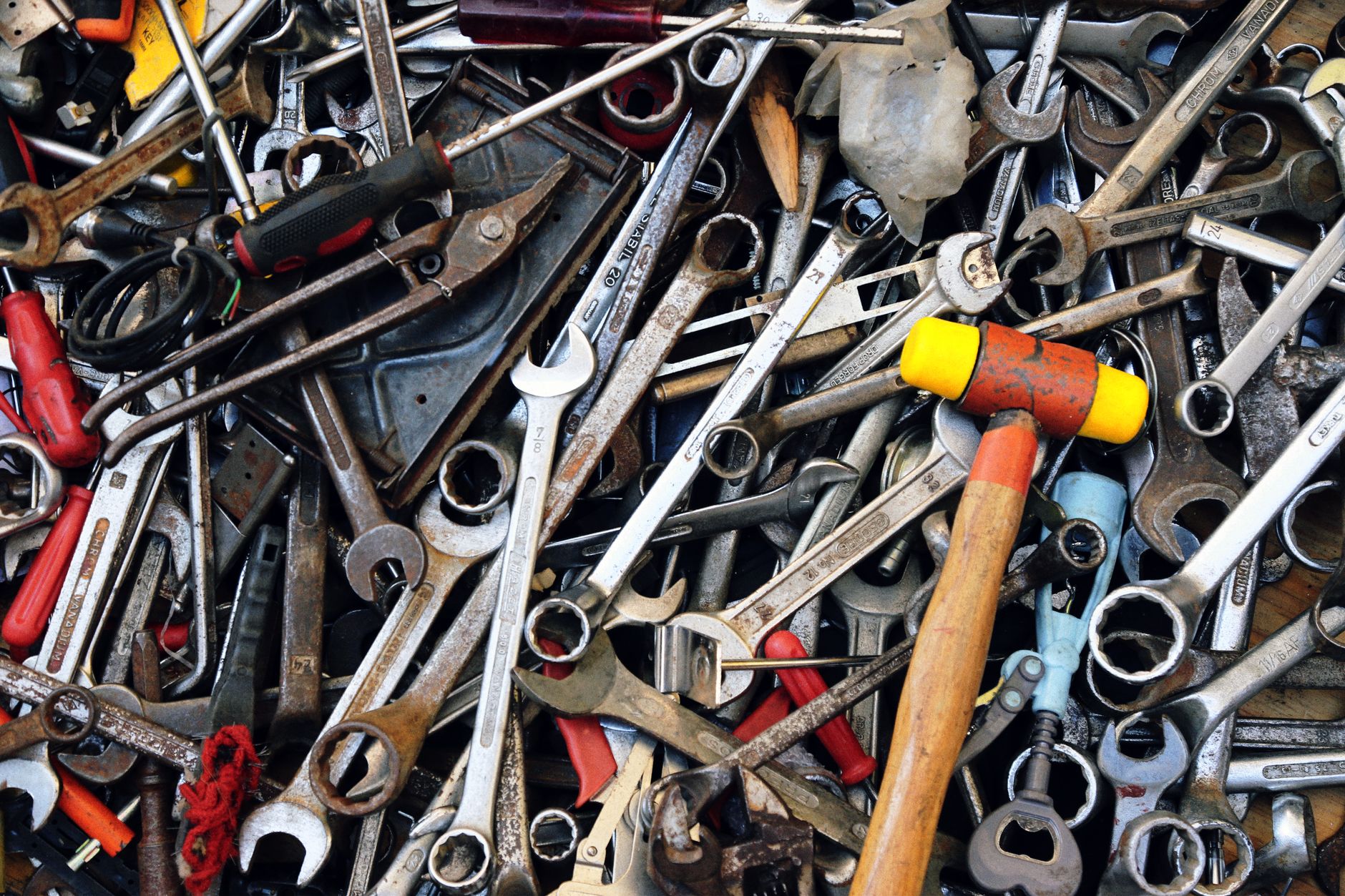
Buyers treat a thin category as a dead site. One operator running a secondhand tools marketplace in Leeds said early analytics showed visitors spending about 40 seconds on category pages with fewer than a dozen listings, against four minutes once a category passed 60. “The listings did the selling,” he said. “Before that, I did the selling and nobody bought.”
The failure is quiet. A site with 200 listings across twenty categories has ten per category, and ten looks like zero to a shopper. Where the first hundred land matters more than the total.
How the first hundred arrive

Staff listings come first. In the earliest days of Craigslist, Craig Newmark ran a private email list to friends about local events in San Francisco in 1995, and the first classifieds were things he and his circle posted themselves. Operators still copy the move: founders list their own furniture, bikes, and books, then ask staff, friends, and local club members to fill the same three or four categories.
Cross-posting was the mid-2000s shortcut. Small marketplaces invited sellers to mirror their eBay and Craigslist ads on the new site, or imported listings wholesale. It filled pages fast and left a mess underneath: stale prices, duplicate items, and sellers who never answered messages from the new platform’s buyers. A marketplace known for unanswered sellers doesn’t get a second visit.
Paying for supply is the direct route. Some operators offer a bounty for the first fifty listings in a target category or a fixed fee per approved listing. One pet-accessories marketplace in Manchester paid £3 per approved listing in early 2023 and stopped after 90 listings, when organic posting picked up. The check came to under £300 and saved months.
The strongest move is the narrowest: one category, one town. A bike-parts marketplace that fills a few streets’ worth of listings in one postal code has a shopper’s answer ready. A nationwide launch with ten listings per category has nothing.
The Pez story, checked

The famous version of eBay‘s founding goes like this: Pierre Omidyar built the site in 1995 so his fiancée could trade her Pez dispenser collection. The story is charming, ran in newspapers for years, and, by later accounts, came out of a publicist’s effort to give reporters a human angle. Adam Cohen’s 2002 history of the company, The Perfect Store, places the Pez tale in the marketing folder rather than the founder’s memory.
The documented version is duller and more useful. AuctionWeb, the site that became eBay, went live in September 1995 as a side project. The first item sold was a broken laser pointer, reportedly to a collector who knew what he was buying. The listings that followed came from hobbyist groups who found the site and told other collectors. Nobody seeded that supply with inventory or money. The seeding was a community that already wanted to trade.
Where seeding goes wrong
Fake listings are the common mistake. Operators pad categories with their own ads for items that don’t exist, or stretch prices nobody honors. A shopper who calls on a stuffed listing learns the site is a dead end and tells others. A seeded listing has to be real, priced, and answered.
Spread is the second mistake. Launching citywide with a hundred listings leaves every category too thin to browse. The test belongs in the first hundred.